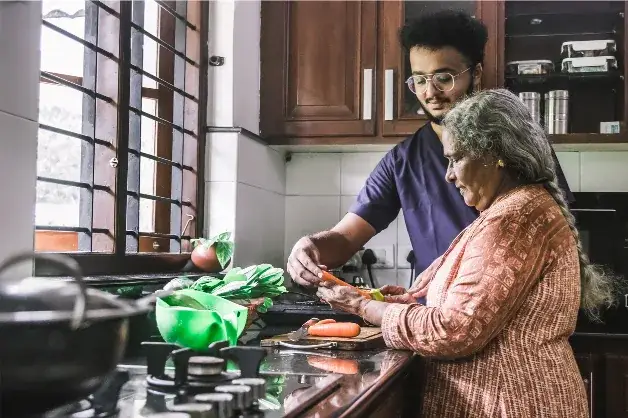
For a lot of participants, and a lot of carers, food is where the week falls over. Low energy by late afternoon. A kitchen that feels overwhelming. The same three meals on rotation because anything else takes planning nobody has left. Takeaway more nights than anyone wants.
Our meal preparation support is for NDIS participants in Geelong and the Surf Coast who need a hand getting good meals made, and for the families who’ve been doing all the cooking on top of everything else. Some participants want to be in the kitchen alongside us, learning as they go. Others want to sit at the bench with a cup of tea while dinner happens. Both are fine. Both are the point.
Ours is a multicultural household, so different foods on the table are normal to us. Tell us what home tastes like and we’ll cook that.
Good food, on the table, most days of the week. We plan, shop and cook with participants in their own kitchen, around their tastes, culture and dietary needs, with the same support worker every time and as much or as little hands-on involvement as they’d like.
A simple weekly plan built around favourites, budget, dietary needs and what's already in the fridge. Written down, on the fridge, easy to follow.
The list, the shop, the unpacking. Together as part of the visit, or done on the participant's behalf. Transport included where it's in the plan. Travel and transport.
In the participant's own kitchen, at their pace, doing as much as they want to. Stirring the pot counts. So does doing the whole thing.
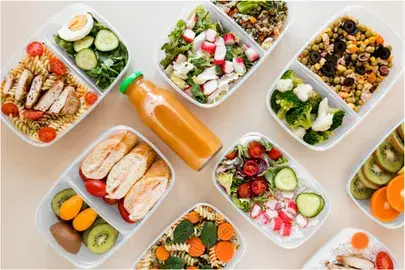
A couple of hours that fill the fridge and freezer with labelled meals for the days between visits.
Texture-modified, allergen-free, halal, vegetarian, diabetic-friendly, or simply "the way Mum makes it". Planned properly from day one.
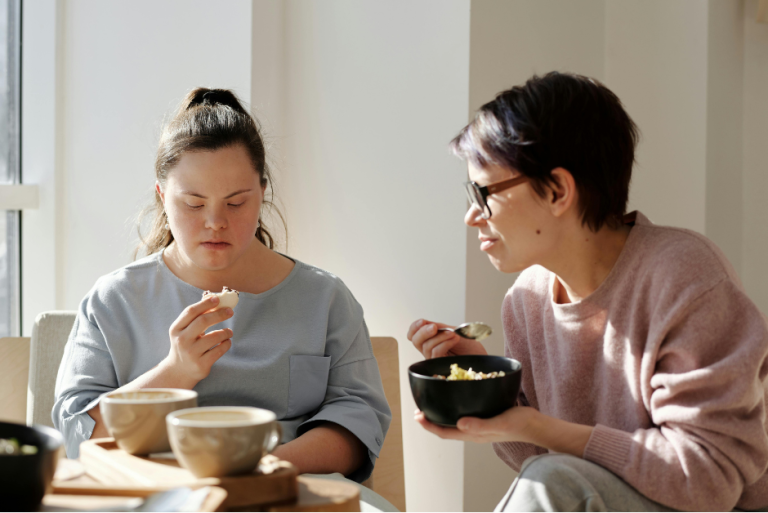
Setting up, sitting down together, help with eating where it's needed, and clearing up after. Mealtimes should feel like mealtimes.
Three of our supports involve food. Here’s how they differ.
Meals are one part of wider support: personal care, household tasks, routines. Best when the goal is a manageable week.
Daily Living Support ->
The focus is food: planning, shopping, cooking and mealtimes, with the participant involved as much as they like. Best when food is the main gap.
Start with a conversation->
The focus is learning: structured, step-by-step cooking and shopping skills that fade our support over time. Best when independence in the kitchen is the goal.
Life Skill Support->
One familiar meal first. Then a rhythm.
Tell us about the person: what they love to eat, what they can't, what a good week of food would look like. We'll call you back and listen.
Your support worker visits with Masego while you're there. We look at the kitchen, the pantry and the routine. No cooking yet.
One familiar meal, plenty of time, learning how the kitchen works and how involved the participant wants to be.
Same worker, same day each week, with a simple meal plan and a service agreement. Adjusted as tastes and needs change.

A multicultural household ourselves, we cook what the participant grew up with, not what's easiest for us. And the participant does as much as they want, which can change week to week.
Skill-building depends on continuity. A team of three means no rotating roster and no repeated first lessons.
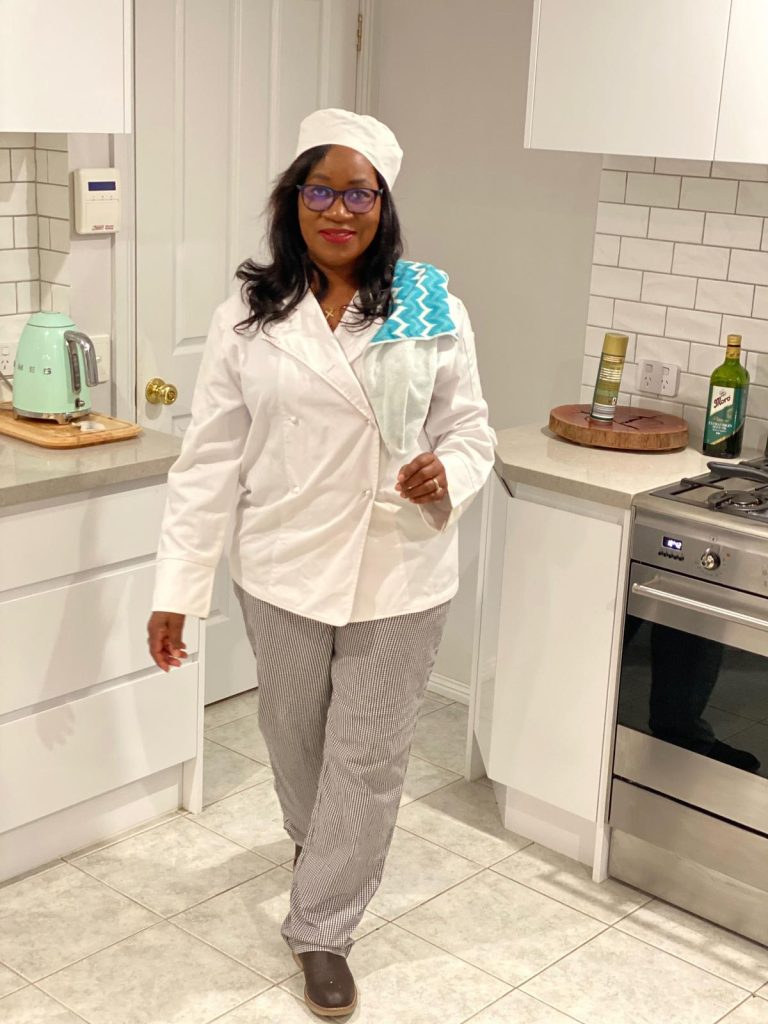
Food safety, allergy handling and kitchen safety are built into every visit, quietly.

Audited against the NDIS Practice Standards. Everyone here holds an NDIS Worker Screening Check and a Working With Children Check.
Meal preparation support is funded under Assistance with Daily Life in the Core Supports budget, alongside personal care and household tasks. Where the goal is learning to cook independently, some sessions can sit under Capacity Building instead.
Groceries are paid for by the participant, as they would be anyway; support worker time is billed in line with the NDIS Pricing Arrangements and Price Limits. We support NDIA-managed, plan-managed and self-managed participants, and we’ll confirm the right funding with you and your plan manager or support coordinator before we start.
Planning meals, shopping for ingredients, cooking in the participant’s own kitchen, batch cooking for the freezer, and support at mealtimes. It’s funded under Assistance with Daily Life in the Core Supports budget.
Yes. Ours is a multicultural household, and cooking the food a participant grew up with is one of the things we most enjoy. Tell us what home tastes like.
Only as much as they want to. Some people love being hands-on; others prefer to sit and chat while dinner happens. Involvement can change week to week.
Meal preparation focuses on getting good food made, with the participant involved as they like. Life skills support focuses on teaching cooking and shopping step by step so the person can do it independently. Many families use both.
The participant, as an everyday living cost, just as they would without support. Support worker time is what the NDIS plan covers.
Yes. Dietary needs are planned from the first conversation and written into the meal plan. Where a participant has a mealtime management plan from a speech pathologist or dietitian, we follow it exactly.
Yes, and it usually is. A visit might include the shop, the cook and a load of washing. Combining supports makes the most of the hours in a plan.
Feel free to reach out through our website or give us a call. We are happy to help.
Tell us about the person, the food they love and the week you’re hoping for. We’ll call you back, arrange a meet-and-greet at home, and plan the first cook.
admin@masrichealth.com.au
0491 795 198
Rossack Drive, Waurn Ponds VIC
Support coordinators and plan managers: we respond to referrals within one business day.